How Boat Lifts Protect Your Watercraft Year Round
Owning a vessel on a freshwater lake or river brings endless seasonal enjoyment, but managing ongoing preservation requires dedicated effort throughout every season. Continuous exposure to lake water, fluctuating currents, shifting climate conditions, and floating debris can steadily compromise the structural integrity of your watercraft when left submerged indefinitely. Elevating a vessel above the waterline provides continuous defense against silent environmental wear while maintaining peak performance and physical condition. Premium boat lifts create a secure platform that protects hulls, electrical systems, and finishing coats from unnecessary degradation. By integrating an elevated storage solution at your personal dock, you safeguard your personal vessel, minimize labor-intensive upkeep, and protect your investment all year round.
Eliminating Persistent Hull Deterioration
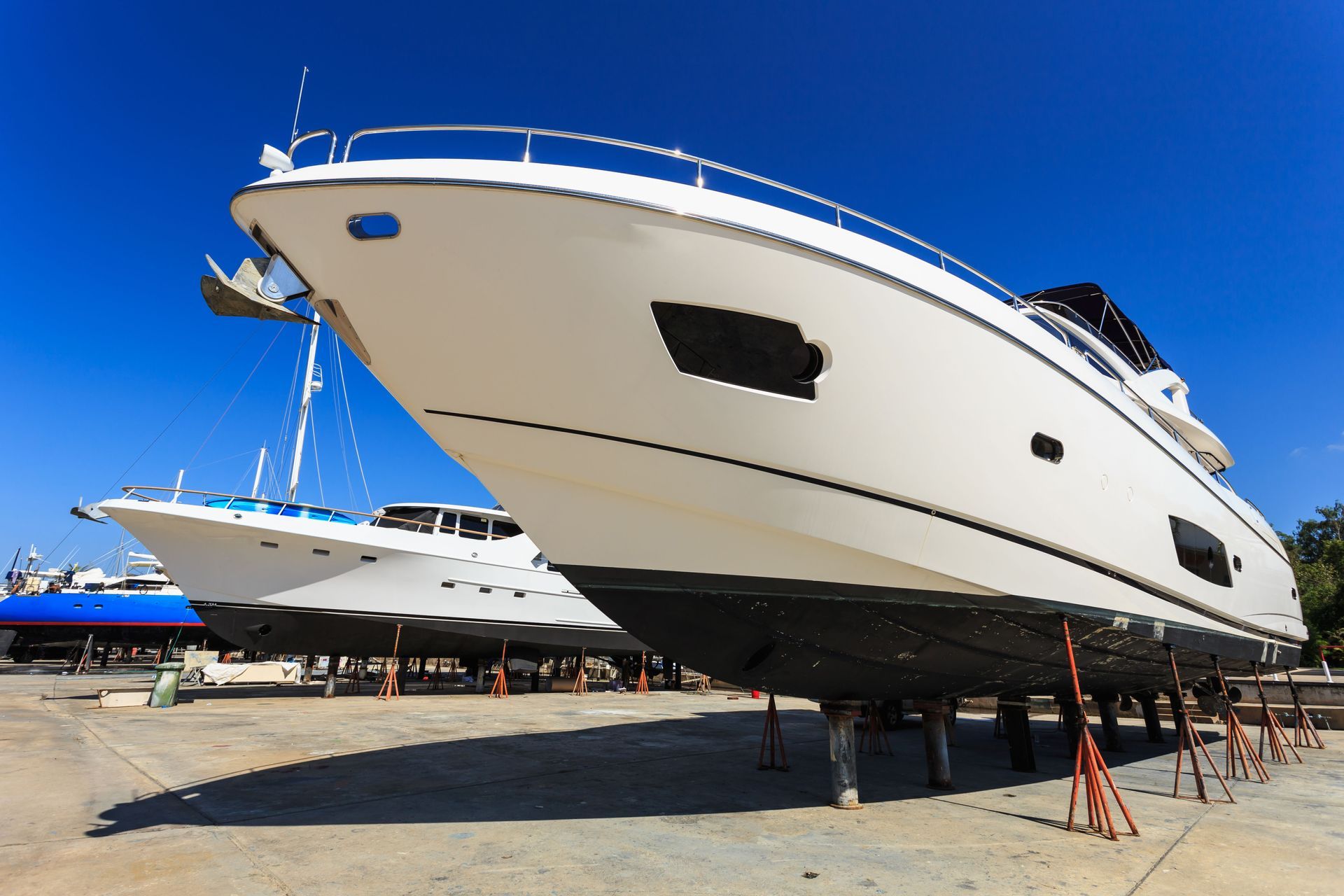
Leaving a vessel submerged continuously in freshwater lake environments exposes the lower hull to constant biological accumulation, moisture absorption, and cosmetic staining. Lake water carries organic particles, algae spores, and microscopic organisms that attach to underwater surfaces within a short timeframe. Over prolonged periods, algae formation creates stubborn scum layers that dull protective gelcoats, increase hydrodynamic drag, and require aggressive chemical scrubbing. Additionally, constant immersion can cause water absorption into porous gelcoat layers, resulting in osmotic blistering that undermines structural integrity over time. Elevating the hull above the waterline completely halts biological growth and eliminates moisture retention, preserving the original outer finish and structural soundness of the vessel.
Unprotected hulls submerged in quiet coves or active lakes also suffer from steady mineral buildup and organic discoloration. Dissolved minerals present in freshwater bodies leave stubborn waterline rings and chalky deposits that ruin the aesthetic appeal of pristine fiberglass or aluminum surfaces. Storing vessels elevated above the lake surface prevents continuous mineral contact, ensuring that the lower hull remains clean, smooth, and hydrodynamically efficient. Clean hulls experience less drag during acceleration, which improves overall fuel efficiency and preserves engine responsiveness. Utilizing boat lifts ensures that your watercraft retains its factory finish and resale value without demanding exhausting end-of-season hull restoration.
Preventing Severe Weather Damage
Waterfront properties face sudden weather transitions, powerful lake squalls, and dramatic seasonal windstorms that create turbulent wave action. A vessel tied directly to a stationary dock during strong winds continuously collides with pilings, cleats, and protective bumpers. Heavy wave movement forces mooring lines to stretch, chafe, and potentially snap, leaving the watercraft vulnerable to catastrophic impact against rigid dock structures. Elevating the vessel securely above wave action removes collision risks entirely, ensuring that shifting surface conditions cannot push the watercraft against surrounding waterfront infrastructure during overnight storms.
Seasonal transitions bring colder temperatures, heavy rainfall, and potential freezing conditions that threaten open freshwater vessels. Heavy rain accumulation can quickly fill an exposed vessel, overburdening bilge pumps and increasing displacement until submerged components fail. During freezing winter periods, expanding lake ice exerts extreme lateral pressure against submerged hulls, causing crushed frames, cracked gelcoats, and severe structural failure. Installing reliable boat lifts allows owners to raise their watercraft safely above freezing surface water, eliminating ice pressure and preventing rising bilge water levels throughout harsh winter months.
Safeguarding Vulnerable Dock Infrastructure
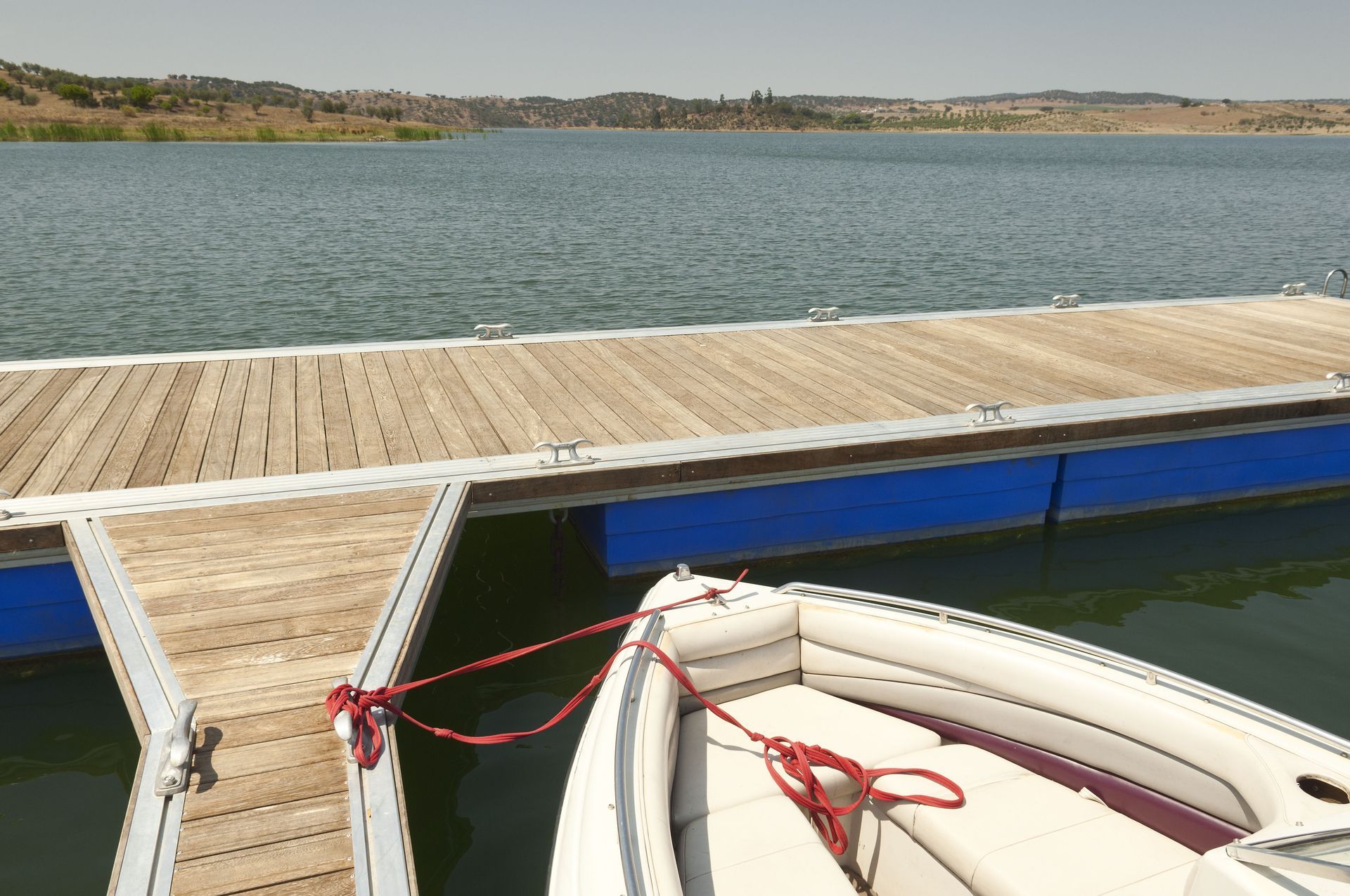
Moored vessels exert continuous physical strain on waterfront docks due to perpetual wave motion, wind resistance, and water displacement. Every passing boat wake causes the tied vessel to pull violently against cleats, pilings, and structural framing. Over time, this repetitive stress loosens mounting hardware, splinters wooden decking, and weakens the overall stability of the dock structure. By elevating the watercraft off the water surface with sturdy boat lifts, you remove the constant pulling forces that compromise dock hardware and structural integrity.
Removing the vessel from direct water contact also streamlines general dock usability and walking space during active seasonal months. A lifted vessel remains securely positioned at a predictable height, making boarding, cleaning, and equipment loading far safer for family members and guests. Stable elevated platforms eliminate uneven stepping gaps caused by bobbing hulls, creating a secure environment for passengers of all ages. Furthermore, protecting the dock from vessel impacts extends the operational lifespan of your entire waterfront installation while reducing ongoing repair expenses.
Maintaining Dependable Power Systems
Modern motorized elevation platforms rely on durable components, efficient drive mechanisms, and dedicated power sources to ensure smooth seasonal operation. Maintaining reliable electrical performance requires regular inspection of charging units, wiring connections, and power cells. According to Continental Battery Systems, boat lift batteries have a lifespan of about 3 to 4 years. Timely replacement of aging power units prevents sudden operational disruptions, ensuring that your elevation system operates effortlessly whenever you return to the waterfront.
Keeping electrical systems in optimal condition guarantees that your elevated storage platform functions reliably through changing weather conditions. Drive motors and power units benefit from regular visual checks, clean terminal connections, and adequate charge levels. Utilizing high-quality power setups for boat lifts ensures smooth lifting cycles that raise and lower vessels without unwanted strain or erratic motion. Dependable power systems provide seamless water access, allowing boaters to launch quickly for morning outings or secure their vessel effortlessly after an evening cruise.
Mitigating Invasive Species Transfers
Freshwater lakes and river networks face ongoing ecological threats from invasive aquatic species such as zebra mussels and invasive vegetation. Submerged hulls and submerged mechanical components offer prime attachment surfaces for aggressive invasive organisms. When vessels sit in infested waters for extended periods, invasive species attach firmly to intake grates, trim tabs, and hull seams. Transporting a contaminated vessel between inland water bodies risks spreading non native species to pristine aquatic ecosystems.
Elevating watercraft out of lake water isolates the hull from invasive aquatic organisms, preventing attachment and rapid colonization. Quality boat lifts keep hulls completely dry, making visual inspections exceptionally simple so owners can spot and remove any residual vegetation or organic debris before traveling to different lakes. By preventing biological attachment, elevated storage practices support regional environmental conservation efforts and protect delicate freshwater habitats. Keeping lower units dry protects native fish populations and preserves local water quality for future generations.
Reducing Seasonal Maintenance Demands
Continuous water immersion accelerates overall wear on lower mechanical units, stern drives, intake valves, and sacrificial anodes. Watercraft left in freshwater lakes accumulate silt, sediment, and organic sludge inside underwater cooling passages and intake manifolds. Over time, sediment buildup causes engine overheating and requires frequent mechanical flushing and professional servicing. Raising the lower unit completely clear of lake water keeps intake ports clean, prevents sediment blockages, and preserves engine cooling efficiency.
Routine maintenance becomes far more convenient and straightforward when the vessel rests on an elevated platform above the water surface. Owners can easily inspect propellers, clean lower units, apply protective coatings, and perform oil checks without hauling the vessel onto a highway trailer. Reducing total exposure to standing water minimizes corrosion on metallic fittings and extends the lifespan of trim components. Investing in boat lifts drastically lowers annual servicing bills while maximizing the total time you spend enjoying the open water.
Investing in protective elevated storage provides comprehensive defense against environmental wear, structural damage, and costly repairs for freshwater watercraft. By keeping your vessel elevated above lake currents, freezing winter conditions, and invasive biological growth, you extend the physical lifespan and performance of your watercraft while maintaining high resale value. Protecting both your vessel and dock structure ensures smooth, safe, and stress-free boating experiences throughout every season. To explore premium elevated storage solutions tailored to your waterfront property, contact Breakwater Boat Lifts.
Share On: